playful Interaction
Generative AI
Human–AI Interaction
Experimental Interface
tangible
Context
Sounddesign
@Umeå Institute of Design
Team
Benedikt Herzau
Clara Häggström Germann
Leon Burg
Time
2026 - 4 weeks
My contribution
Concept Development,
Digital Prototype, Interface Design
Summary
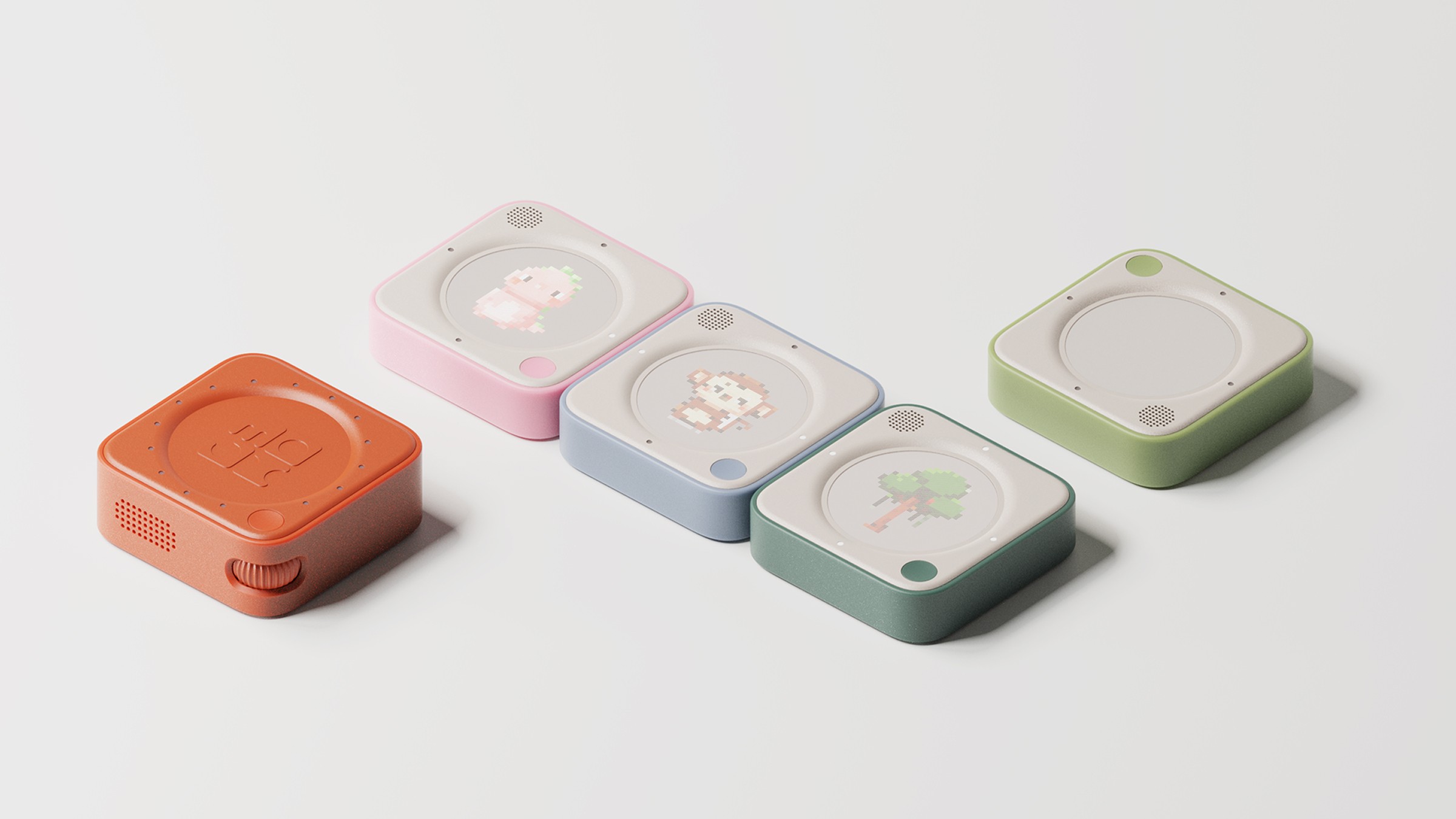
Moji is a generative storytelling toy that turns children’s ideas into interactive stories through physical play and sound. The project was inspired by the way children naturally invent stories: spontaneous, imaginative, and often unpredictable.
At the same time, digital media has become a central part of children’s everyday lives, often positioning them as passive consumers rather than active creators. This led us to ask: How might we use technology meaningfully to bring children’s imagination to life and encourage active storytelling?
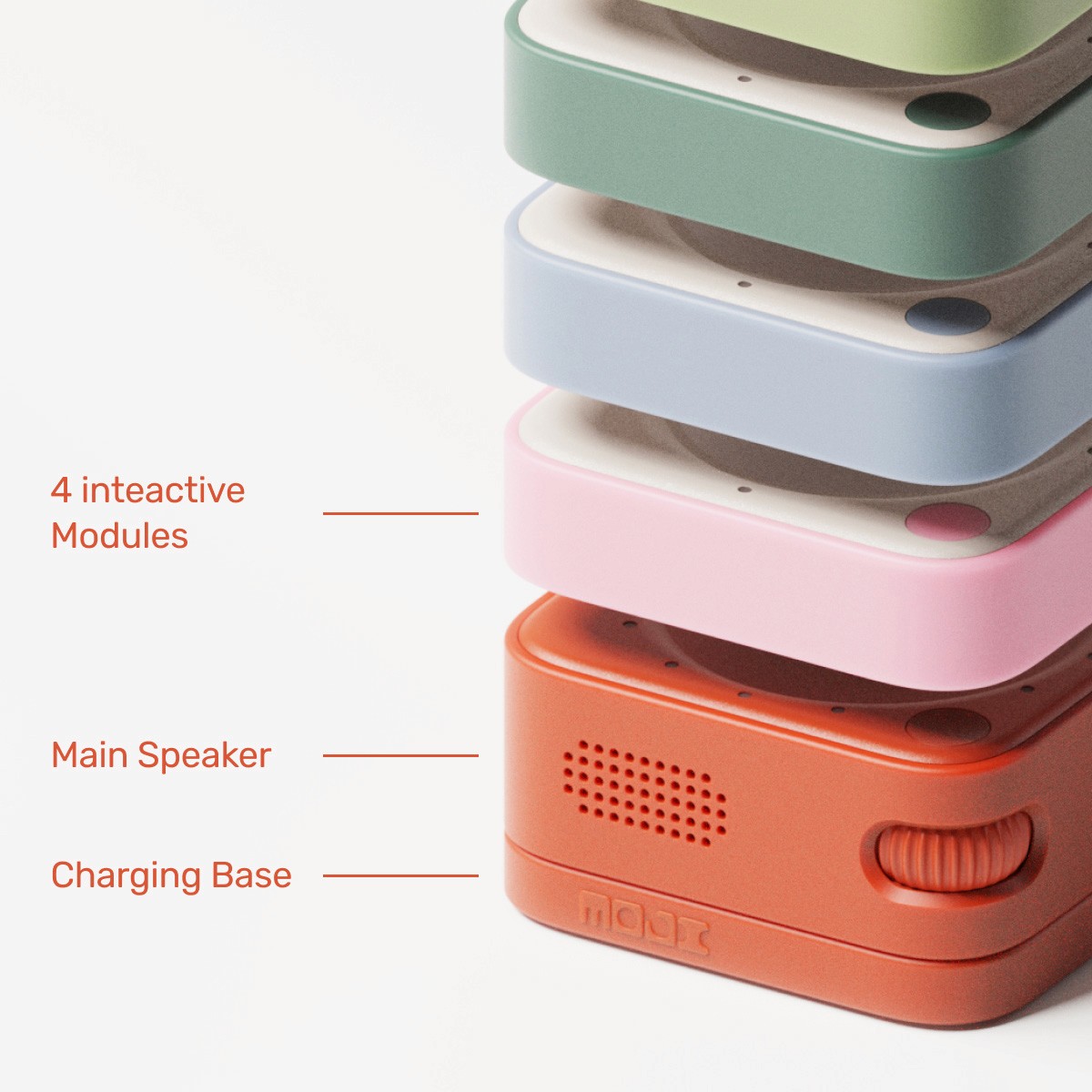
With Moji, children use physical tiles to introduce characters, places, or events while the system generates story fragments and sound in response. The result is a playful storytelling experience shaped by the child’s imagination.
Inital Inputs
Long-press a tile to record a voice idea, or short-press it to toggle through recently used characters, places, and objects. The toggle function allows them to quickly revisit elements from earlier stories, bringing back beloved characters or settings and building on ideas they created before.
Inital Inputs
An intro animation accompanies the generation, introducing the scene and setting the stage for what follows. This opening segment establishes the story’s setup, creating a foundation on which the child can continue to build and develop the narrative.
Branching Story
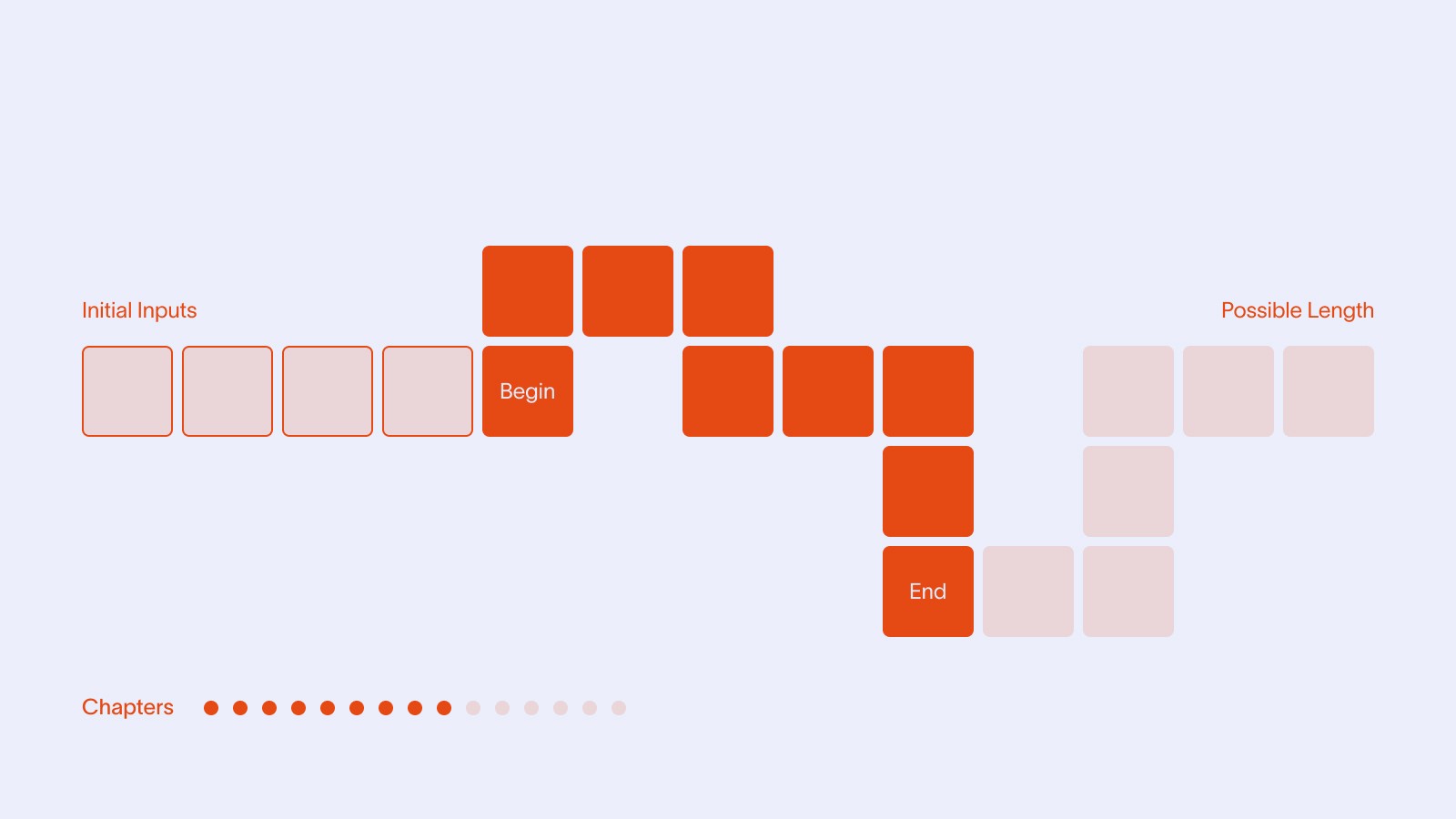
The base defines the length of a story and indicates how much of it remains. As the story progresses, the visual indicator on the base gradually decreases, showing how many chapters are left. This makes the story’s progression and approaching end visible at a glance.
Story decisions
After each chapter, hovering a tile reveals either an ambient teaser or a riddle hinting at the next chapter.
Alternatively, an open voice input allows the story to continue in any direction.
Technical Prototype
We created a lightweight prototype using ChatGPT 5.2 for story and visuals, and ElevenLabs for ambient sound. This allowed us to explore chapter length, interaction rhythm, and overall pacing. Click here to explore the prototype full screen.
The Setup
User Testing
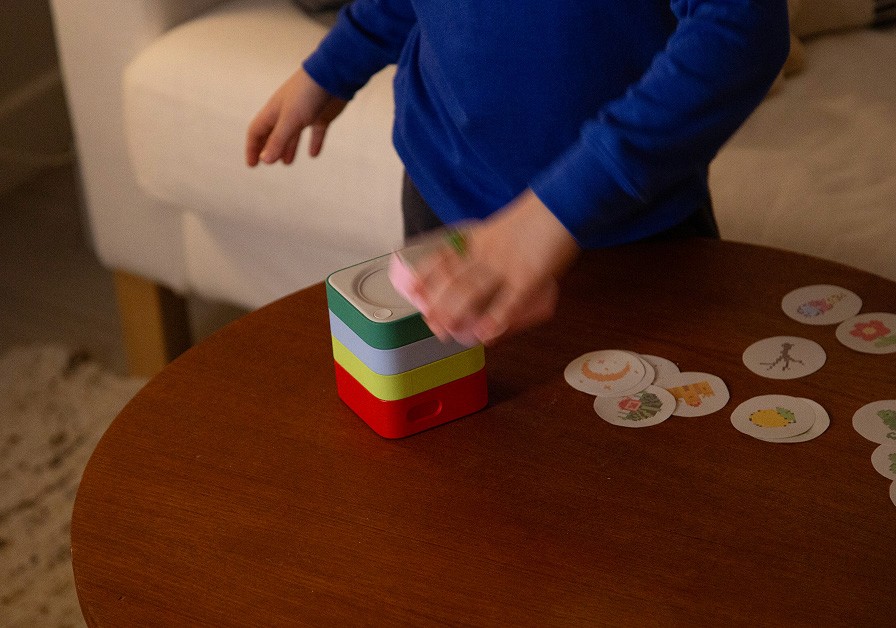
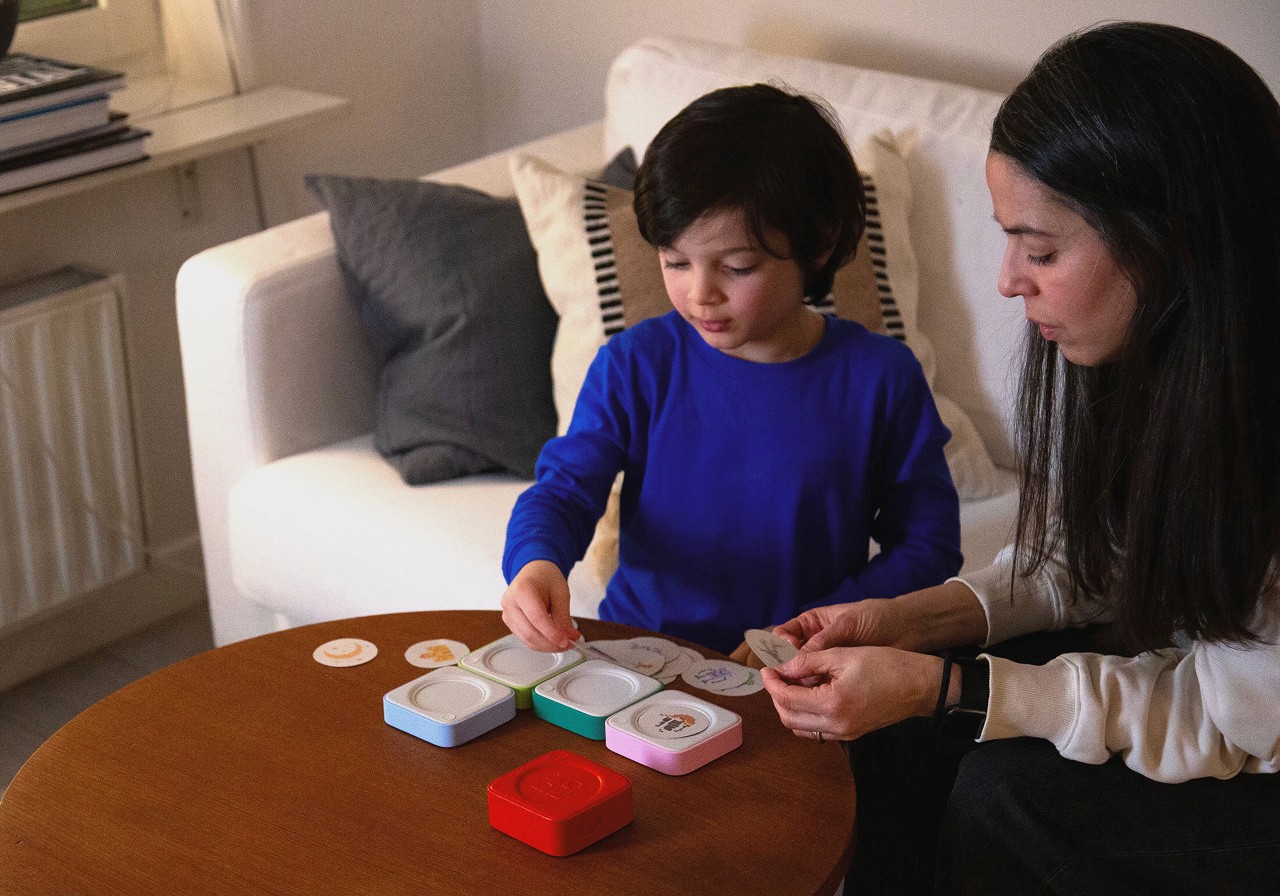
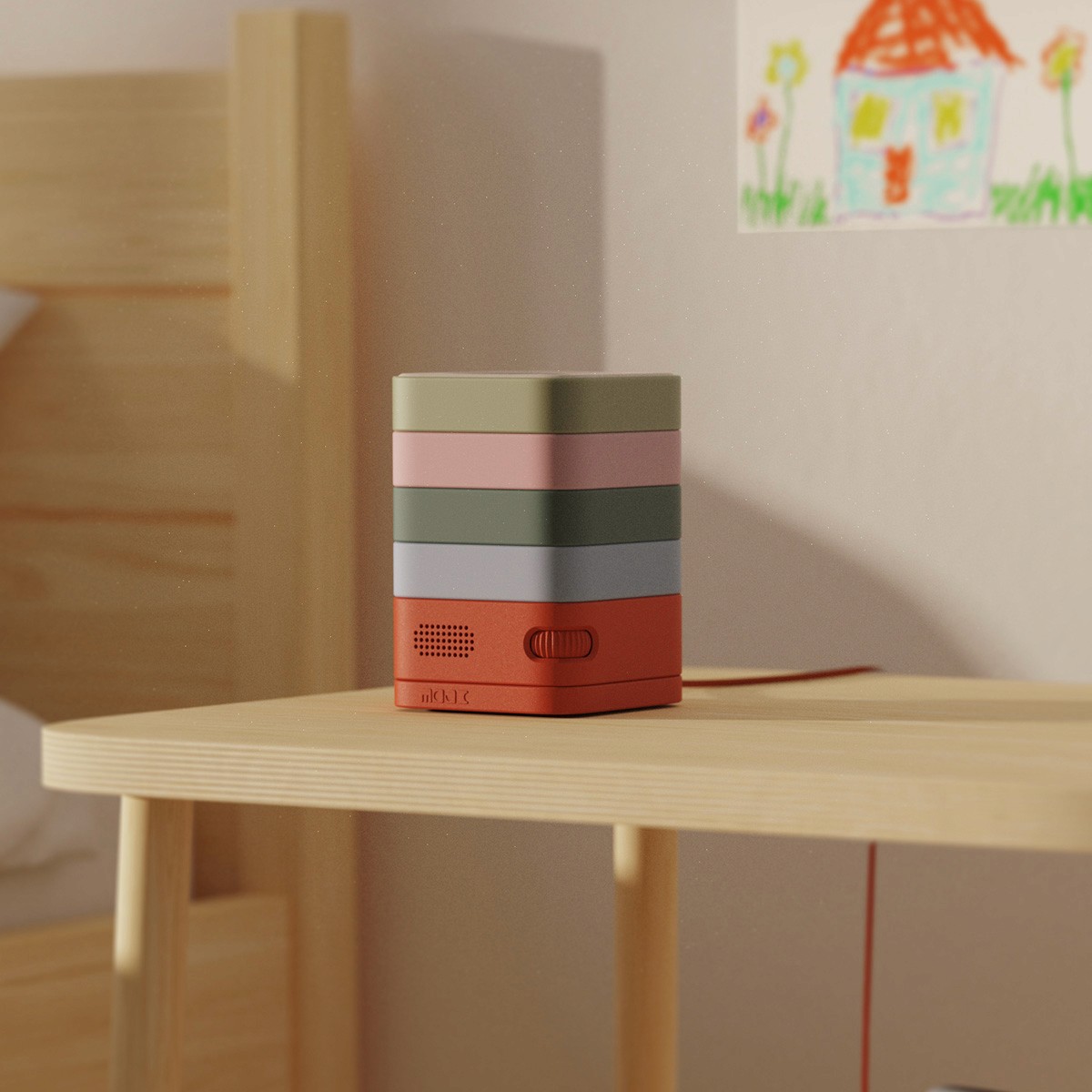
Engaging with Rob and his mother showed how storytelling became a shared activity, with both contributing ideas and guiding the narrative together. This highlighted the importance of designing Moji not only for individual use, but as a tool that supports and encourages collaborative storytelling.
Storytelling Modes
In ambient creation mode, the story unfolds through soundscapes, allowing parents to read the story aloud or children to play along with the atmosphere. In narrated story mode, the system narrates the story automatically, turning the generated chapters into a guided listening experience.
Reflection
Moji was interesting to me because it brought together two things that don’t feel like a natural fit: children’s toys and generative AI. What started as a contrast turned into an opportunity, showing how AI can act as a creative sparring partner that helps bring ideas to life instead of just delivering content. This shift made me think about how technology can be shaped to support active engagement instead of passive consumption.
At the same time, I used this project as an opportunity to dive into vibe coding by building a functional prototype through code, helping me better understand how generative systems behave and how they can be shaped into an interactive experience.


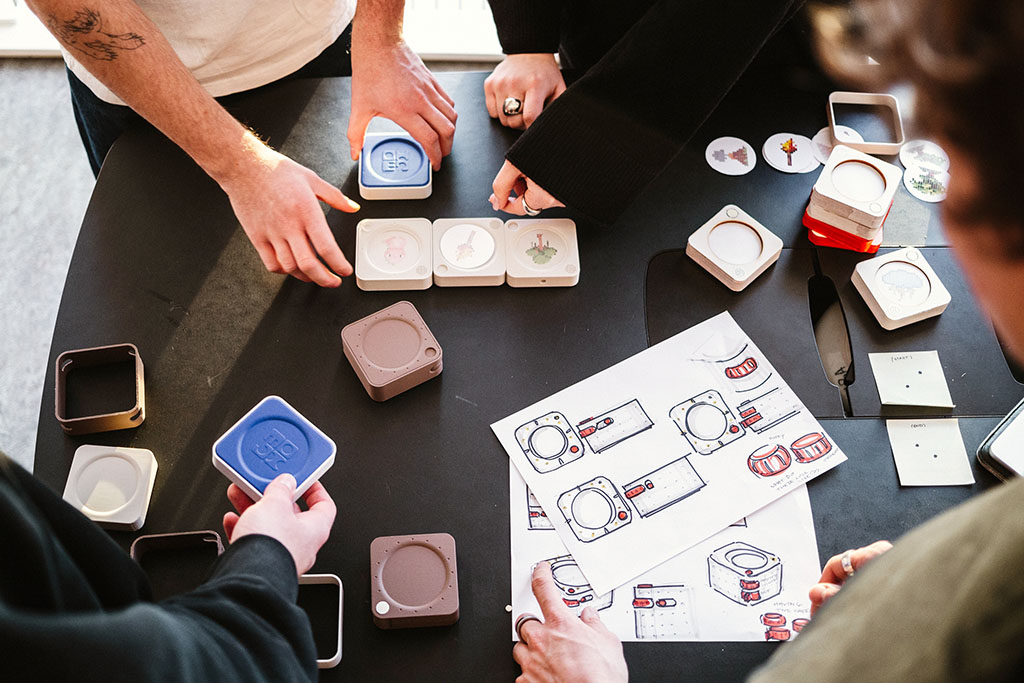
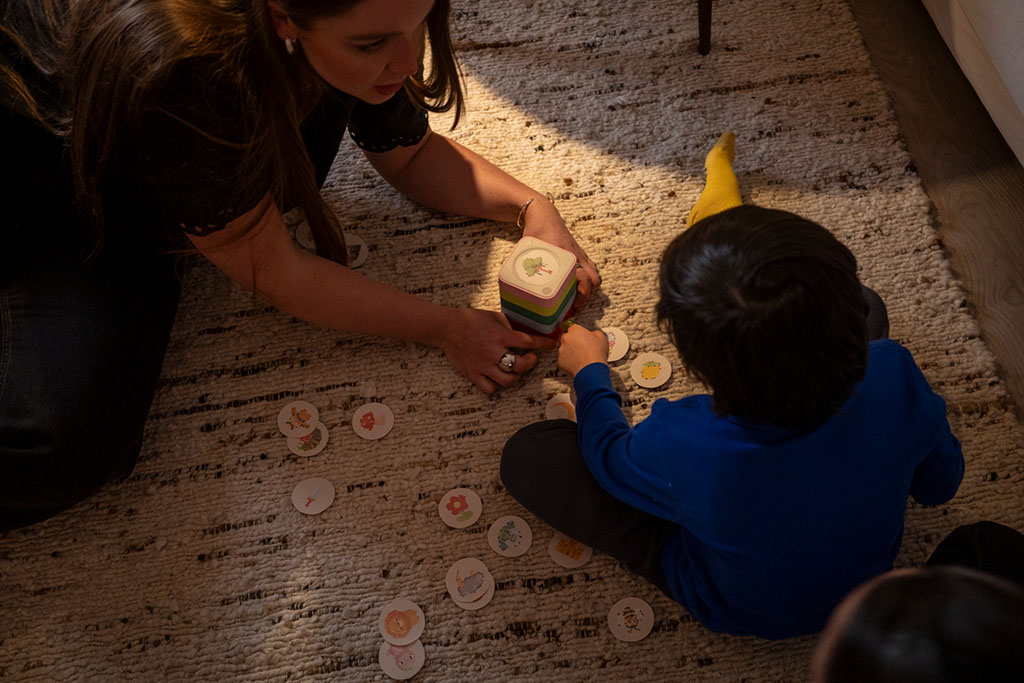
Snapshots from 3 weeks of instense project work, showing how ideas evolved through sketches, prototypes, and experiments.
©2026 Pius Burkhart