Ballmaking – I design and sew leather balls as a personal exploration

Ballmaking – I design and sew leather balls as a personal exploration

Craft

Form Exploration

Prototyping

Geometry

Pattern Design
Context

Personal side project

Time

2023 - ongoing

Tools
Blender, Illustrator, laser cutting, hand stitching

Summary

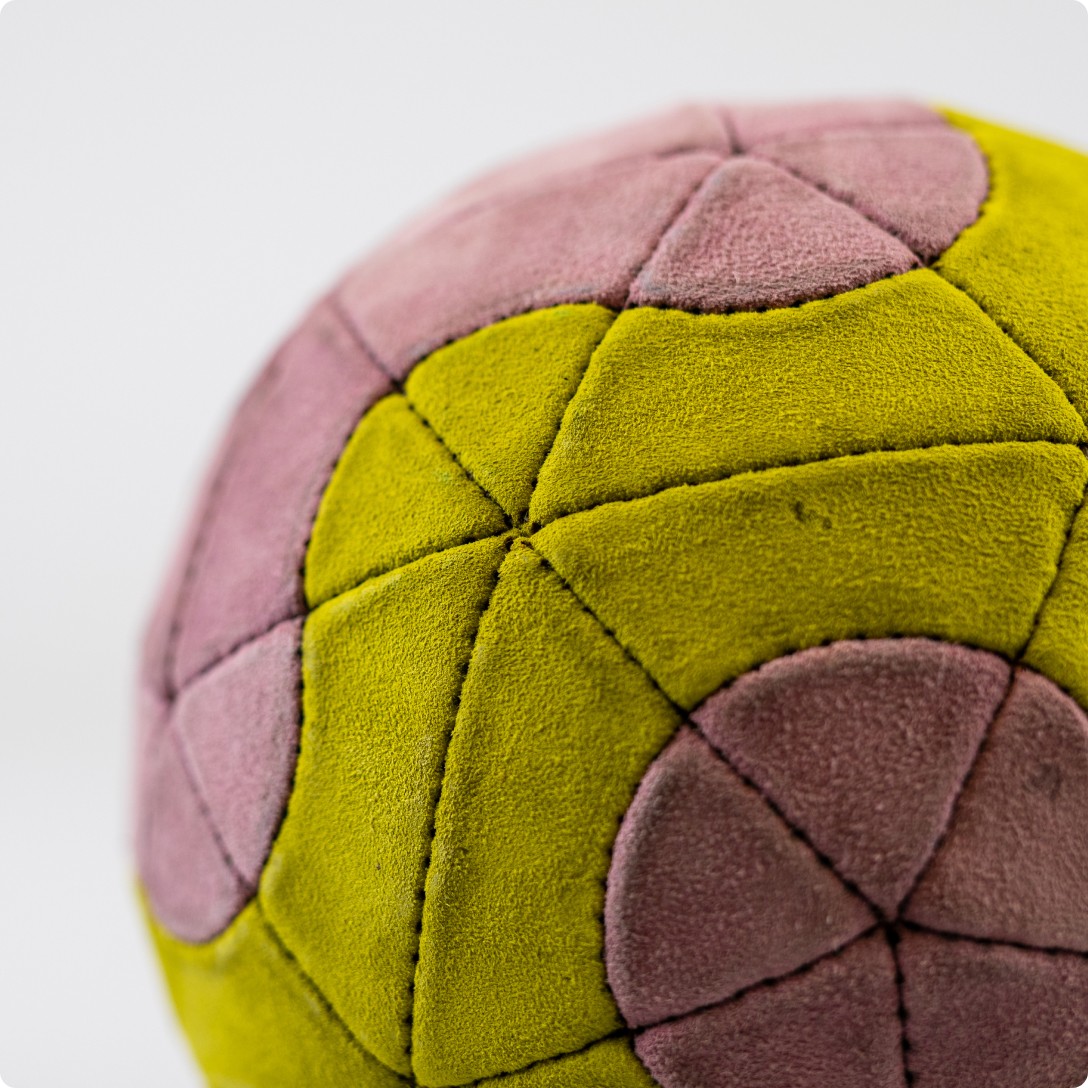
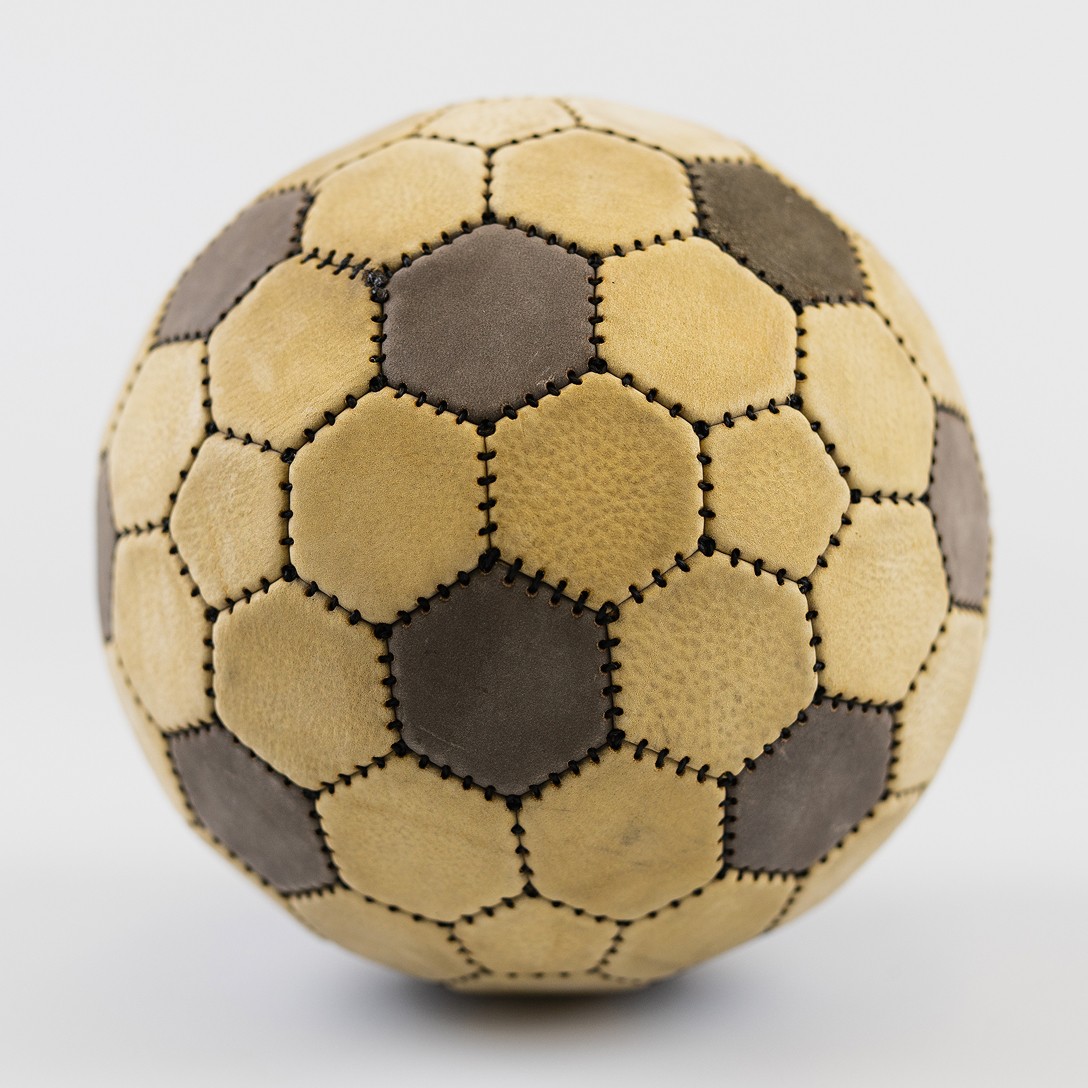
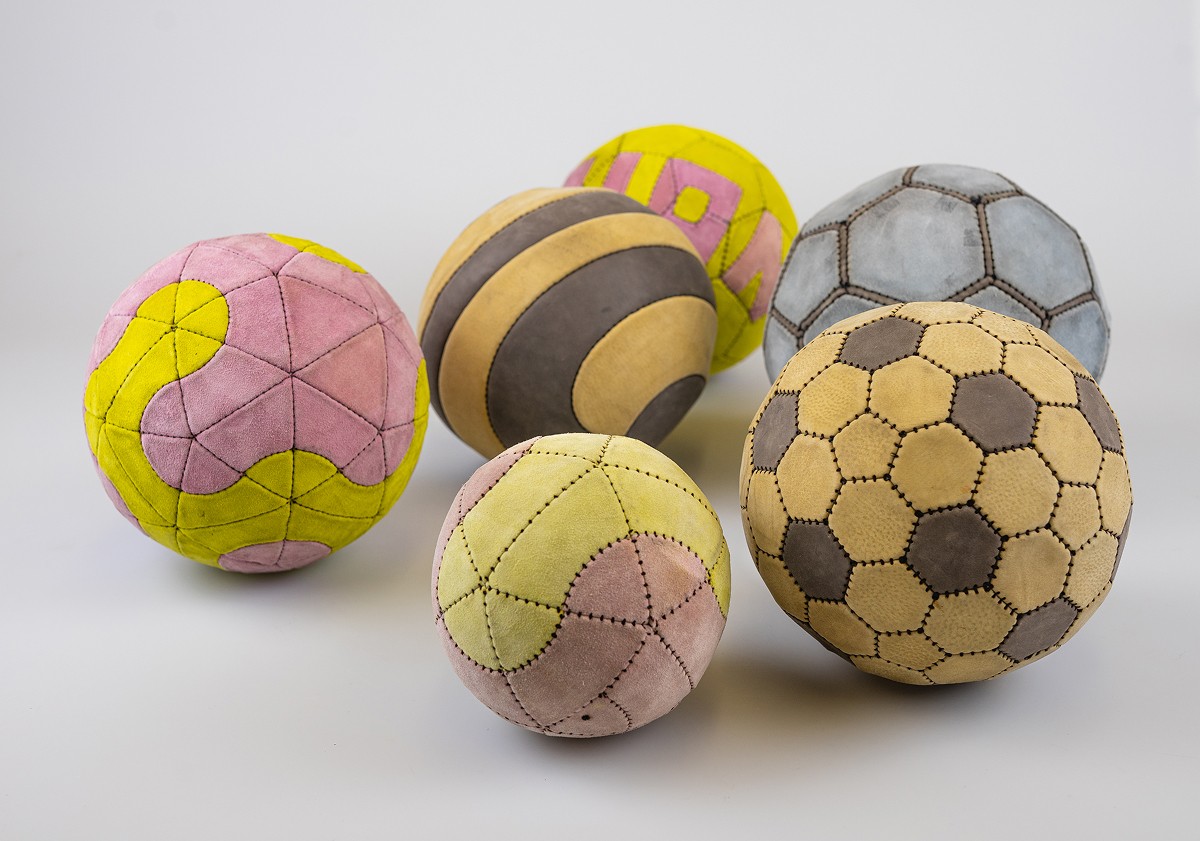
In my free time I design and sew handmade footballs. What started as a birthday gift for my girlfriend quickly turned into a hands-on hobby that combines geometry, digital design, and craftsmanship. I design the patterns digitally, laser-cut the leather panels, and stitch the balls together by hand. Many designs are inspired by geometric structures or patterns I come across, resulting in unique balls that take many hours to make.
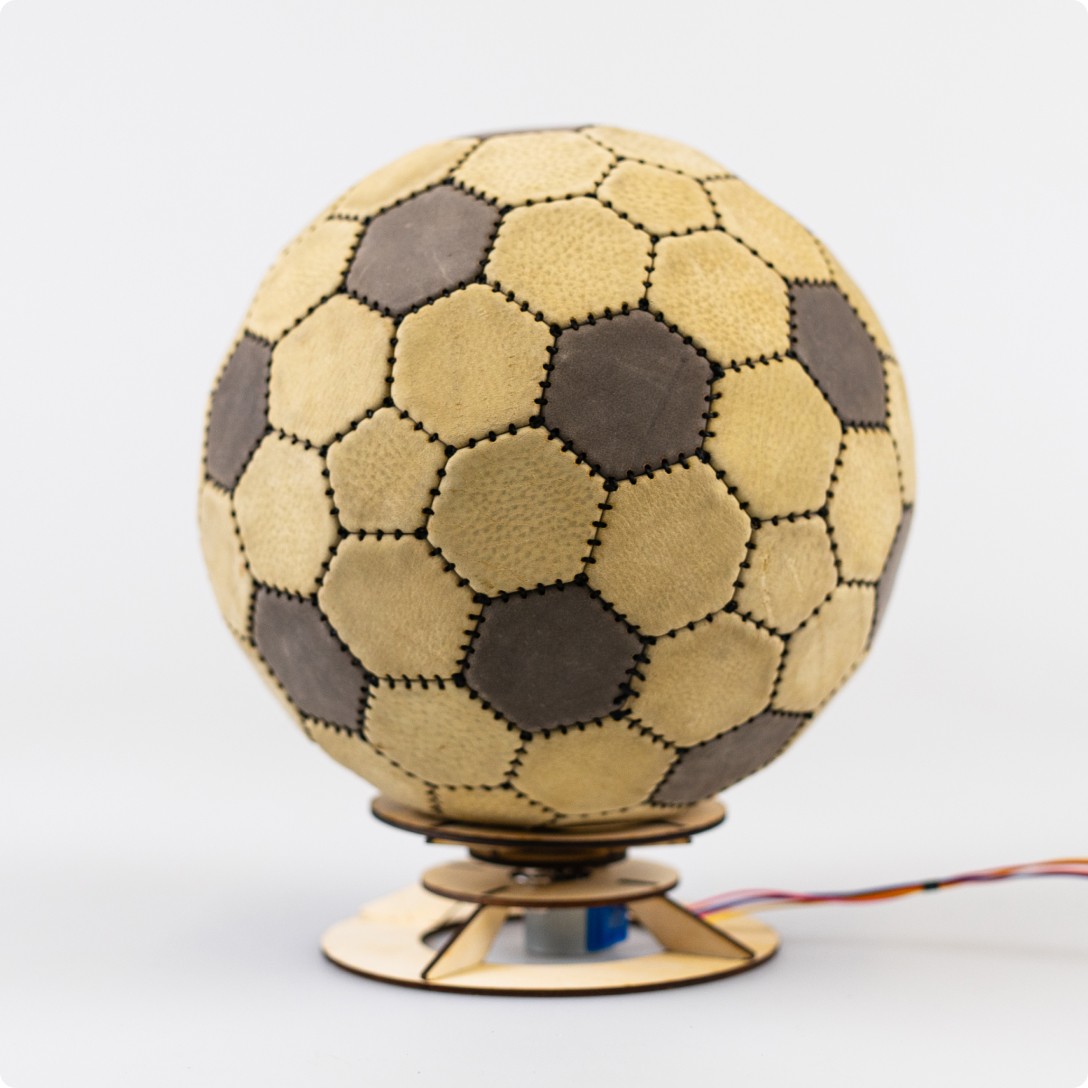
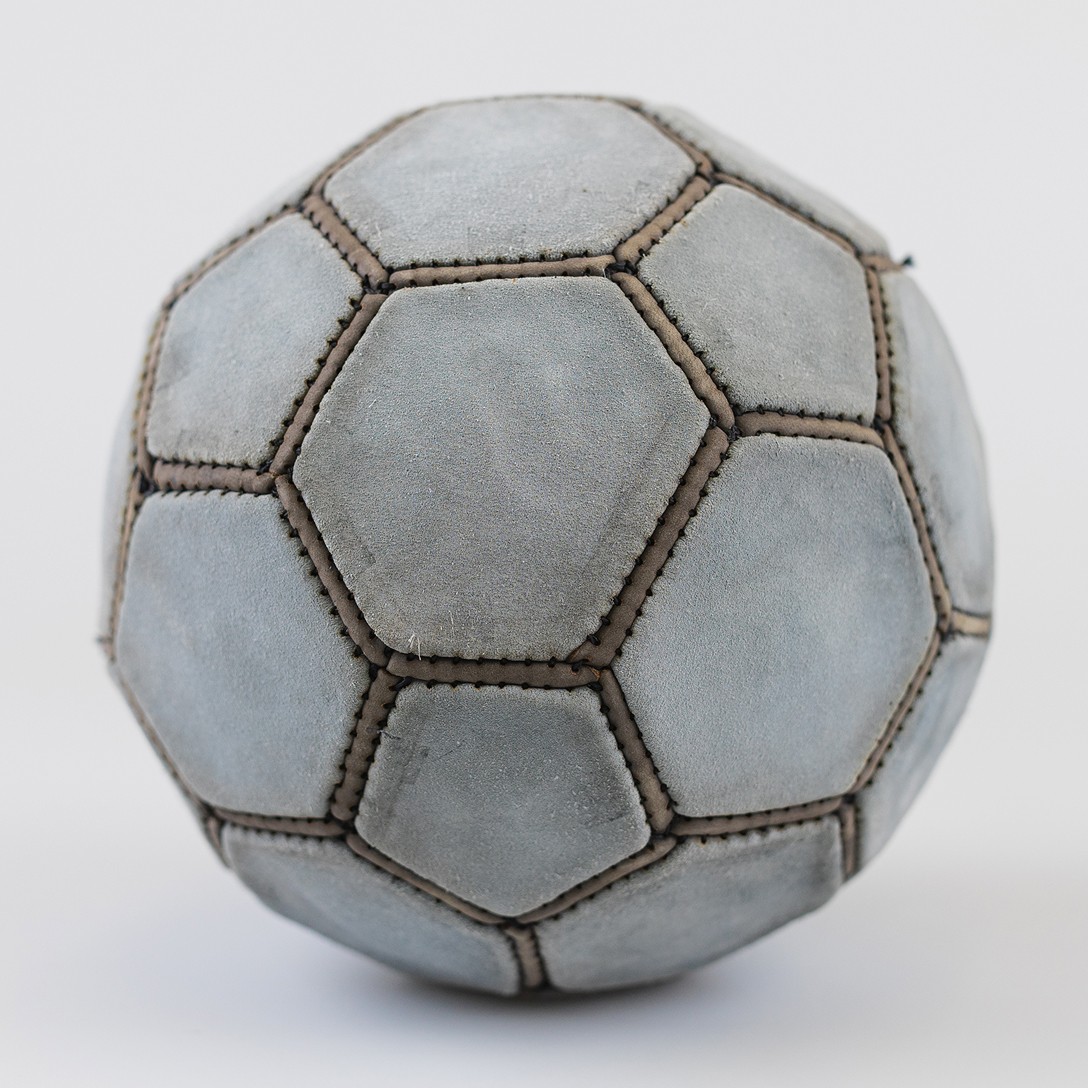
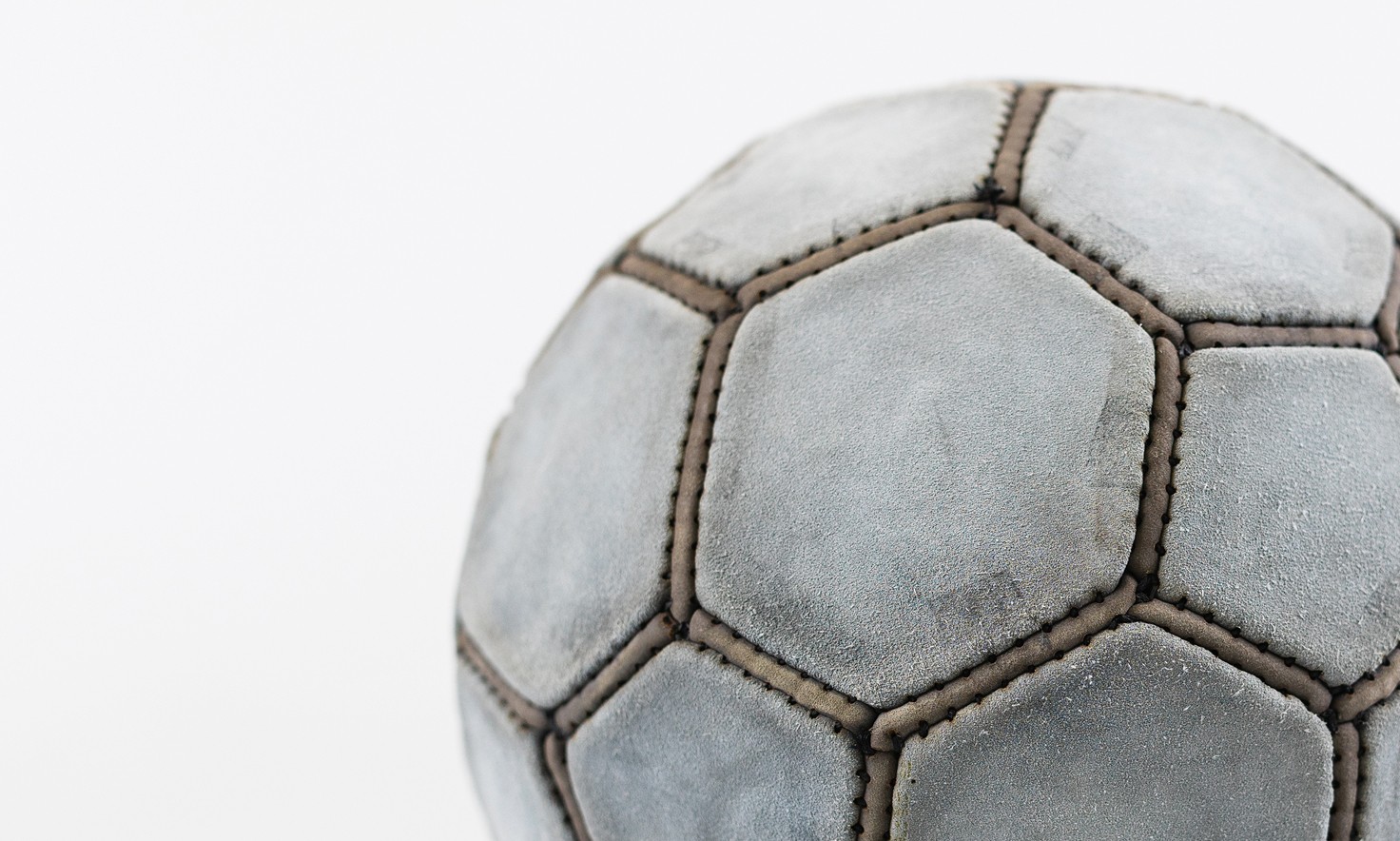
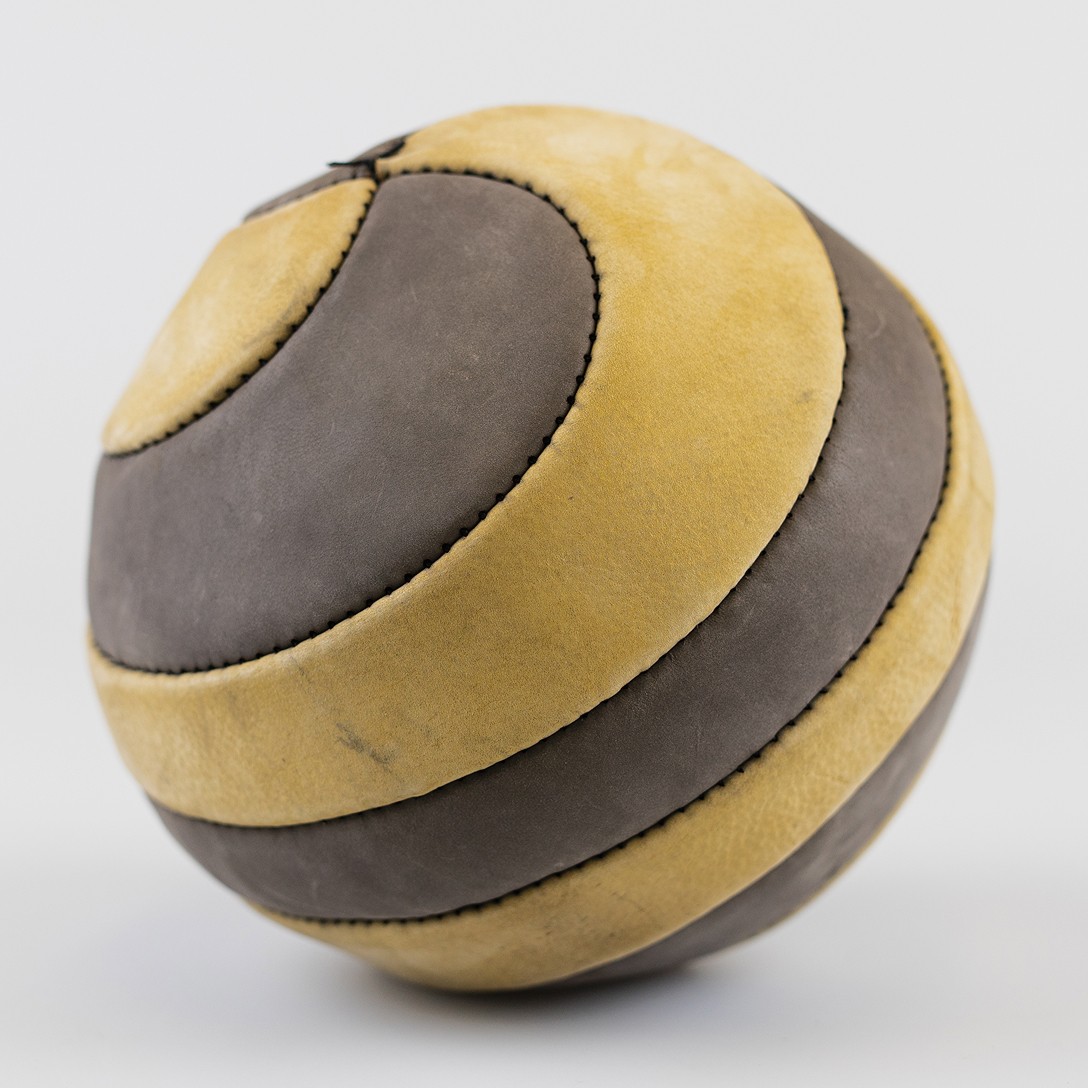
Over time I have experimented with different structures, patterns, and panel layouts. These balls show a few of the variations that came out of that process.

Over time I have experimented with different structures, patterns, and panel layouts. These balls show a few of the variations that came out of that process.

Ball Designs

Many designs start with patterns that are translated into spherical geometry

Many designs start with patterns that are translated into spherical geometry

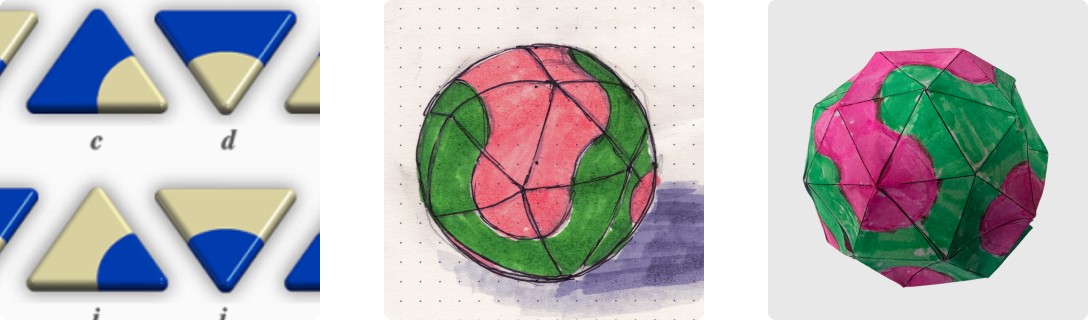
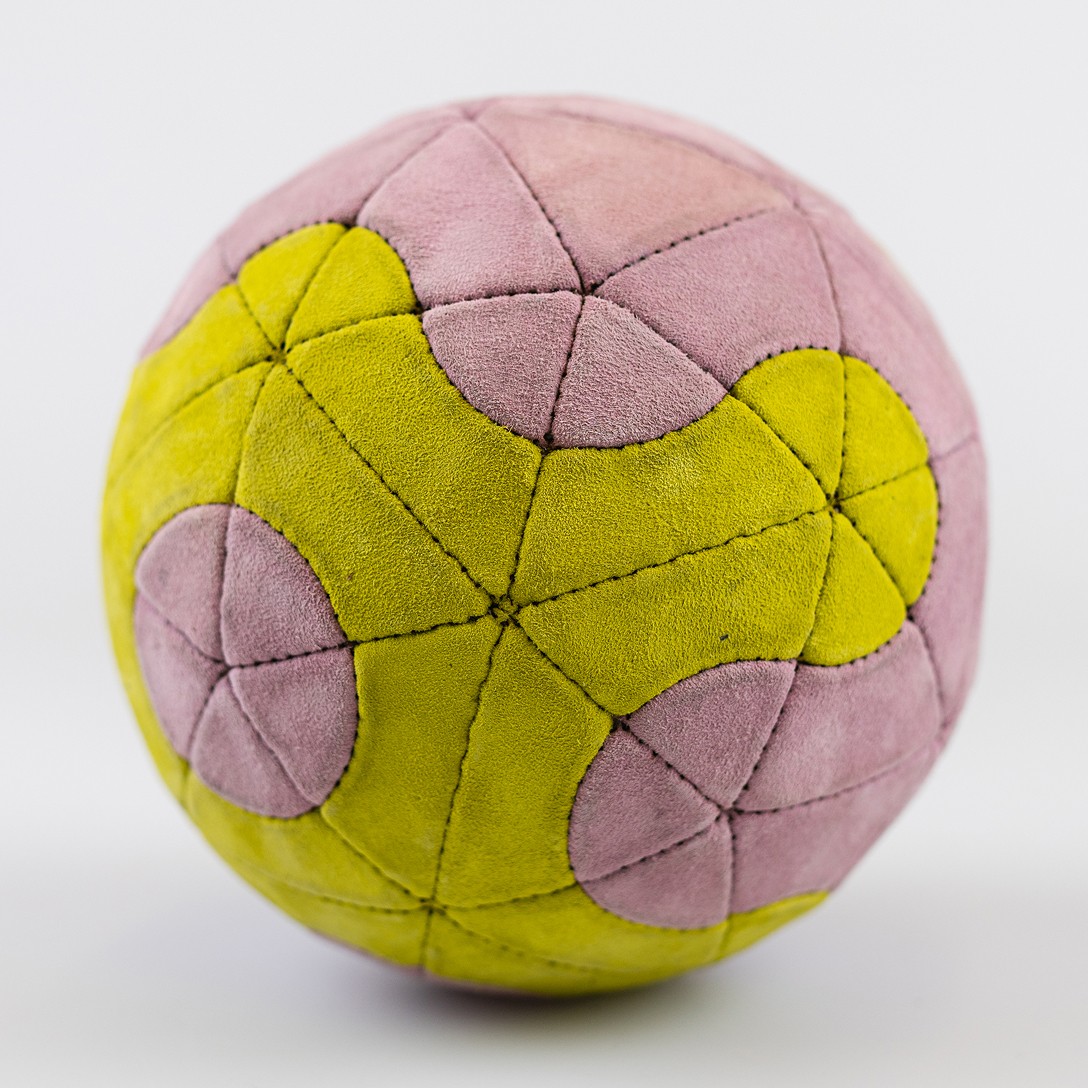
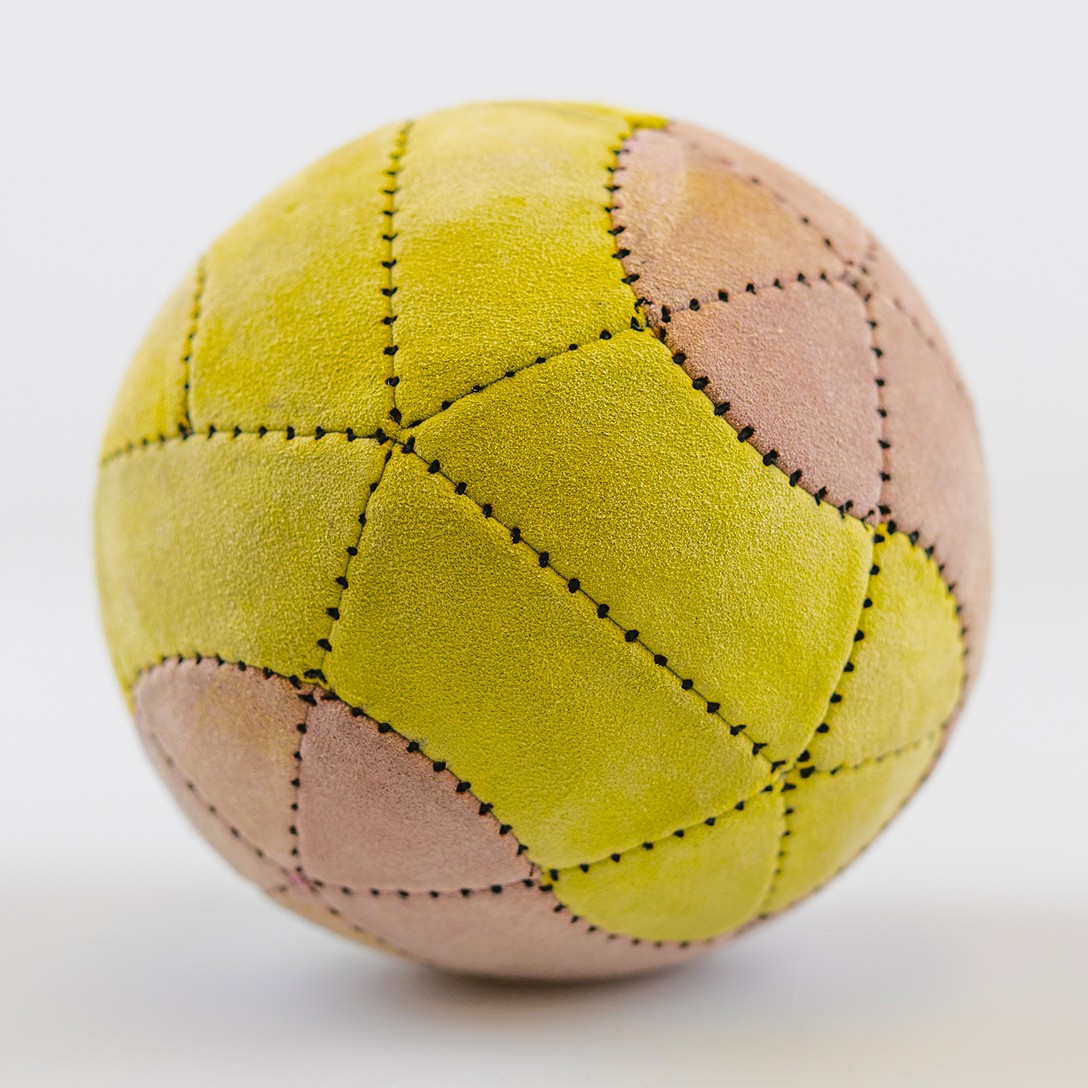
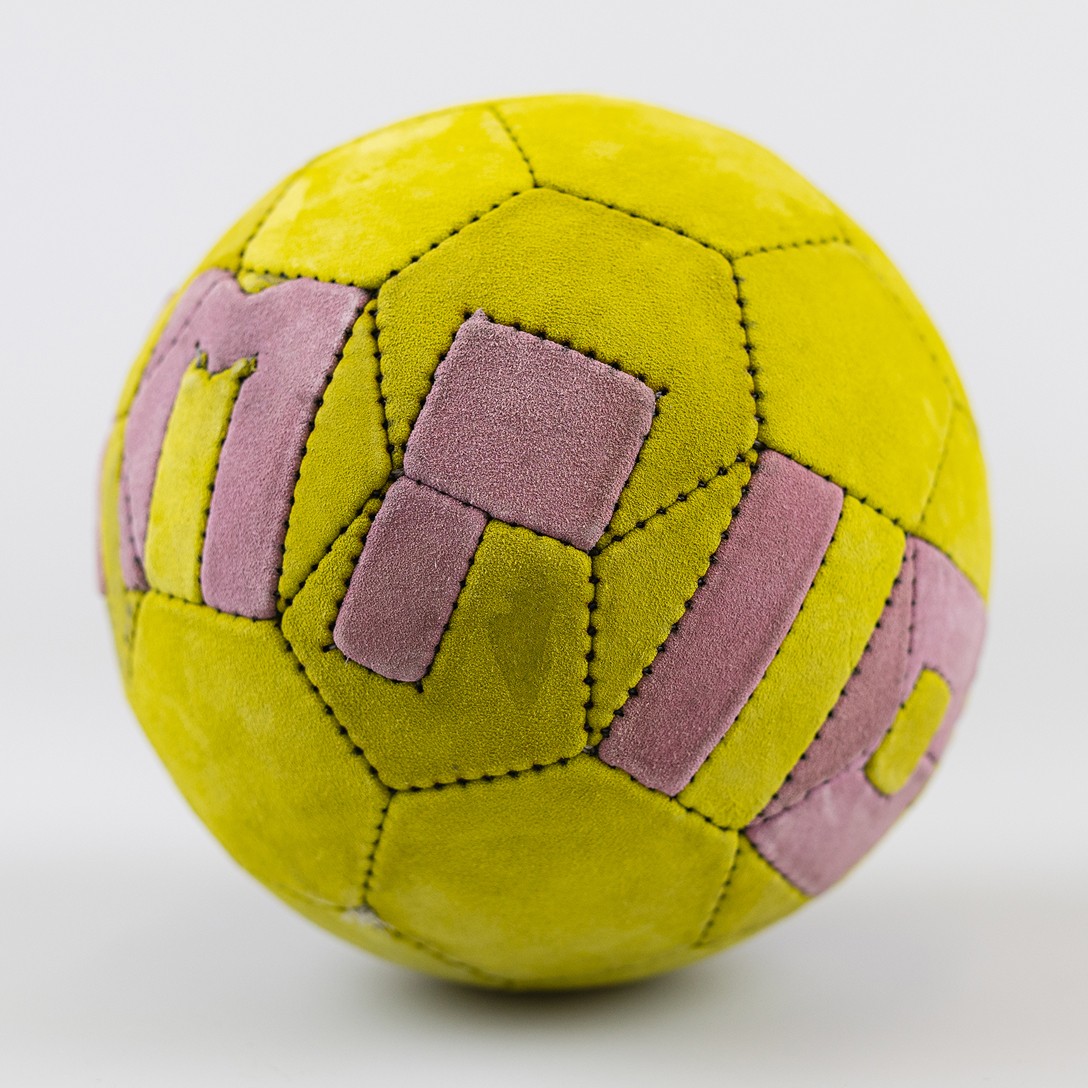
For this ball, the inspiration came from the board game Trichet, where simple repeating pieces create a wide range of patterns.
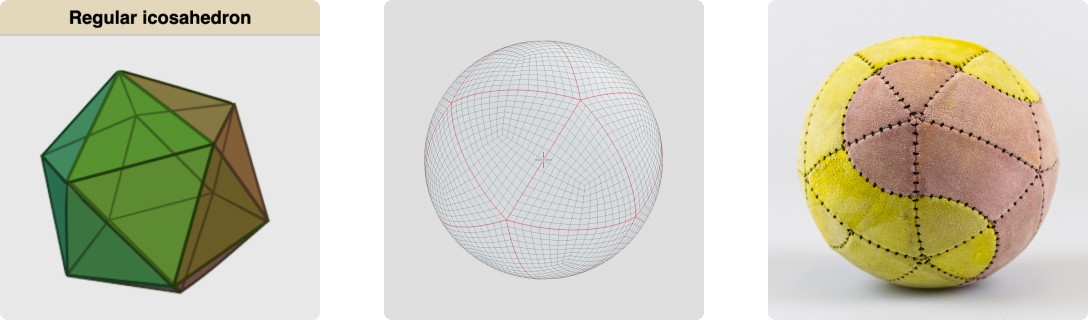
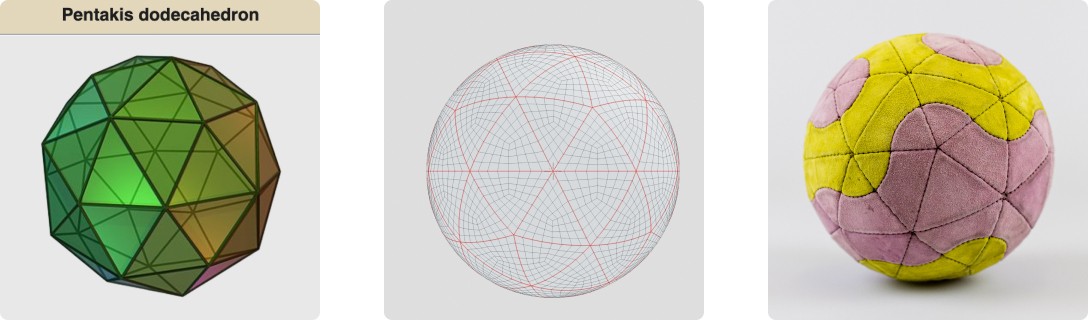
To translate this idea onto a sphere, I searched for geometric structures with triangular faces and arrived at the regular icosahedron. Polyhedra are interesting because they allow increasingly detailed variations of the same structure. Curious how the pattern would behave in a denser version,
I created a second, higher-resolution iteration.

For this ball, the inspiration came from the board game Trichet, where simple repeating pieces create a wide range of patterns.
To translate this idea onto a sphere, I searched for geometric structures with triangular faces and arrived at the regular icosahedron. Polyhedra are interesting because they allow increasingly detailed variations of the same structure. Curious how the pattern would behave in a denser version, I created a second, higher-resolution iteration.

The Process

Translating digital geometry into a handmade ball

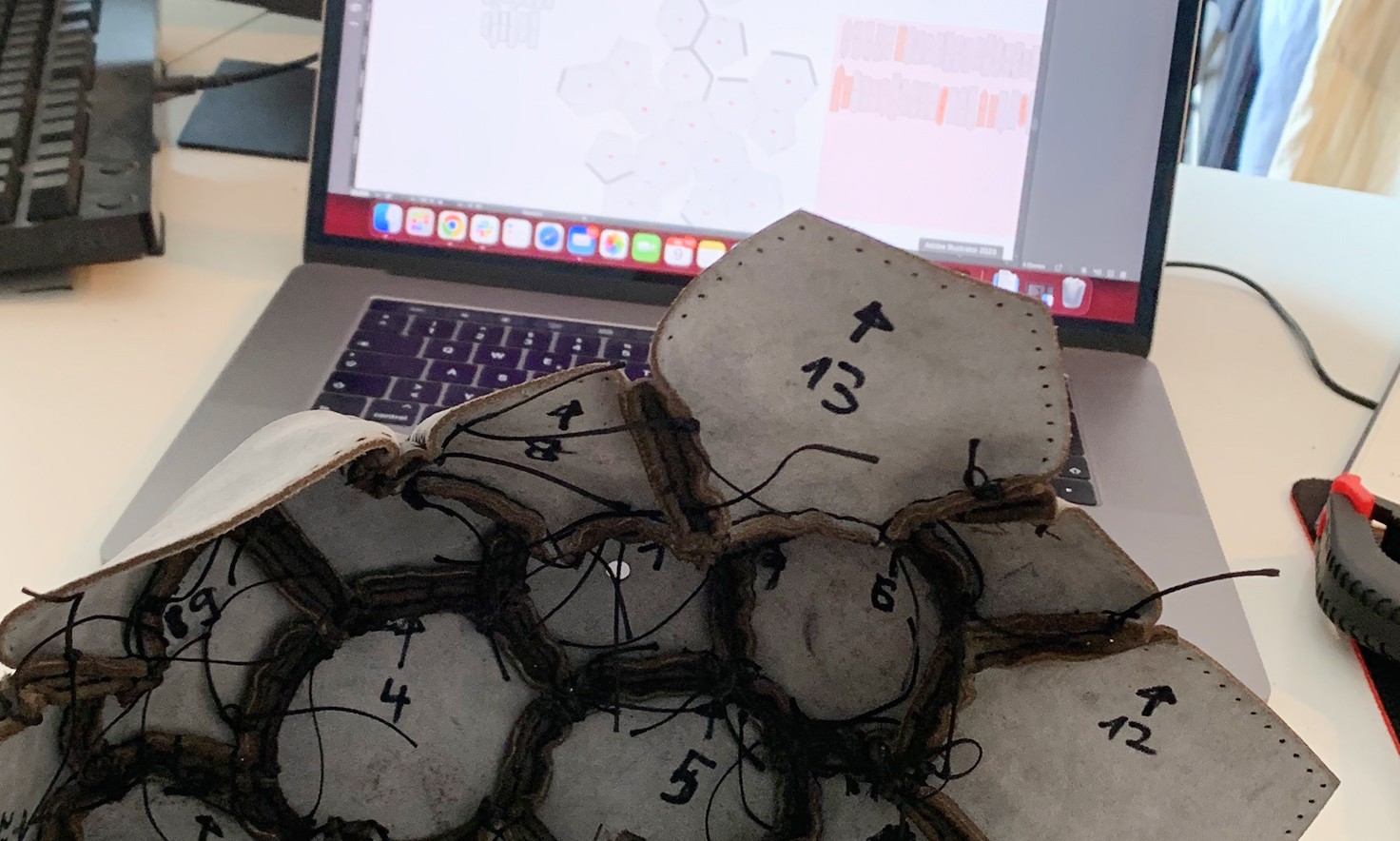
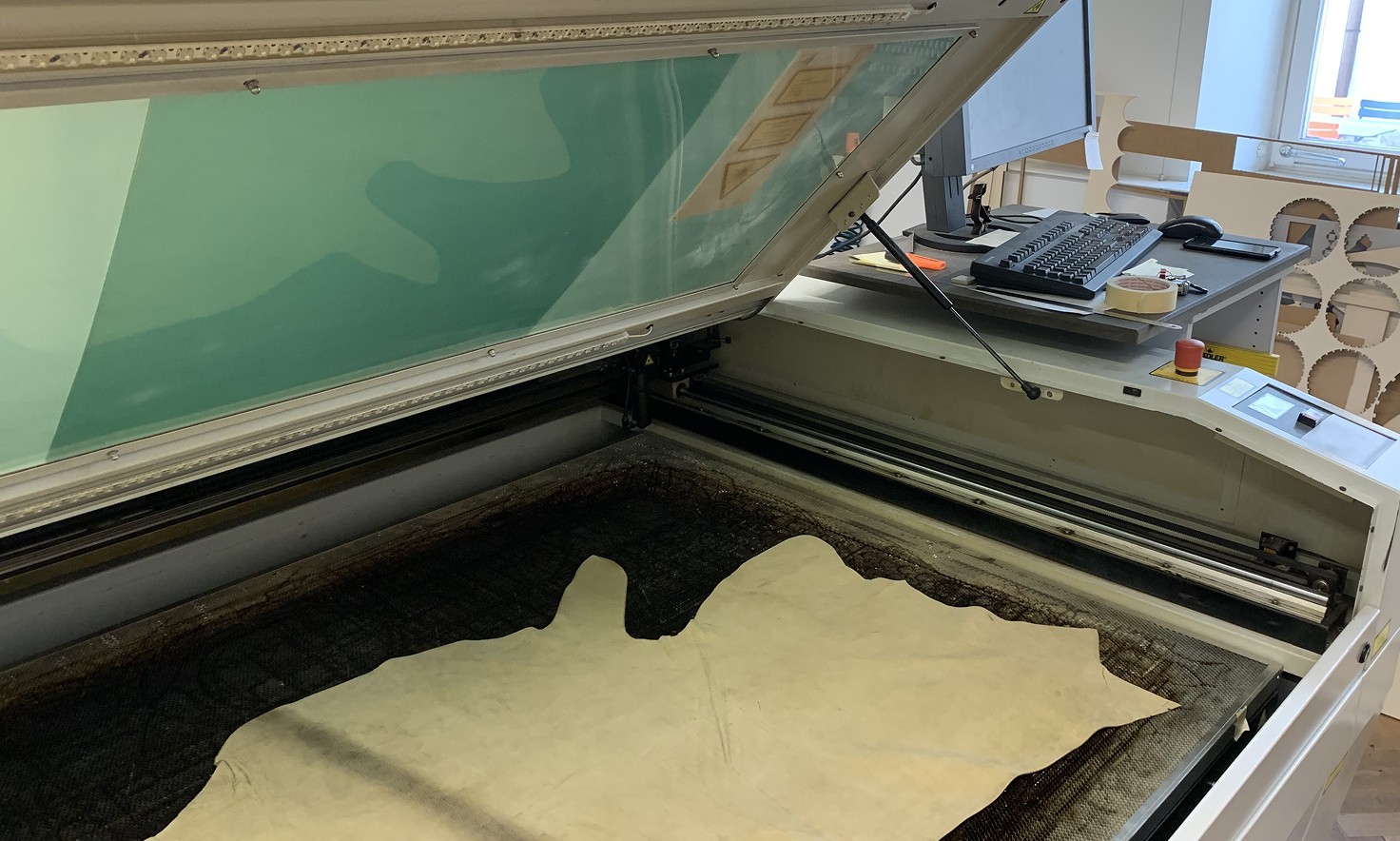
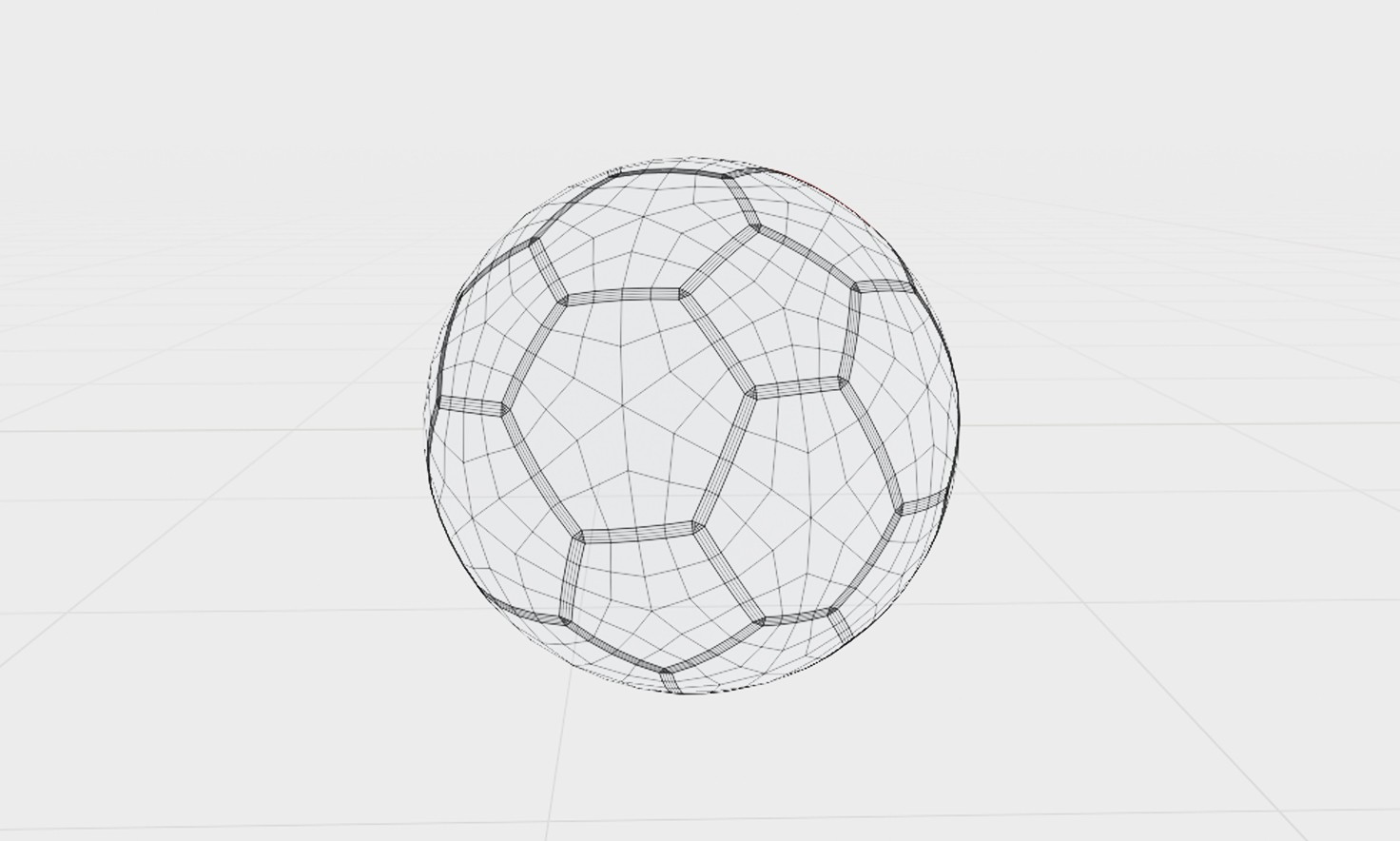
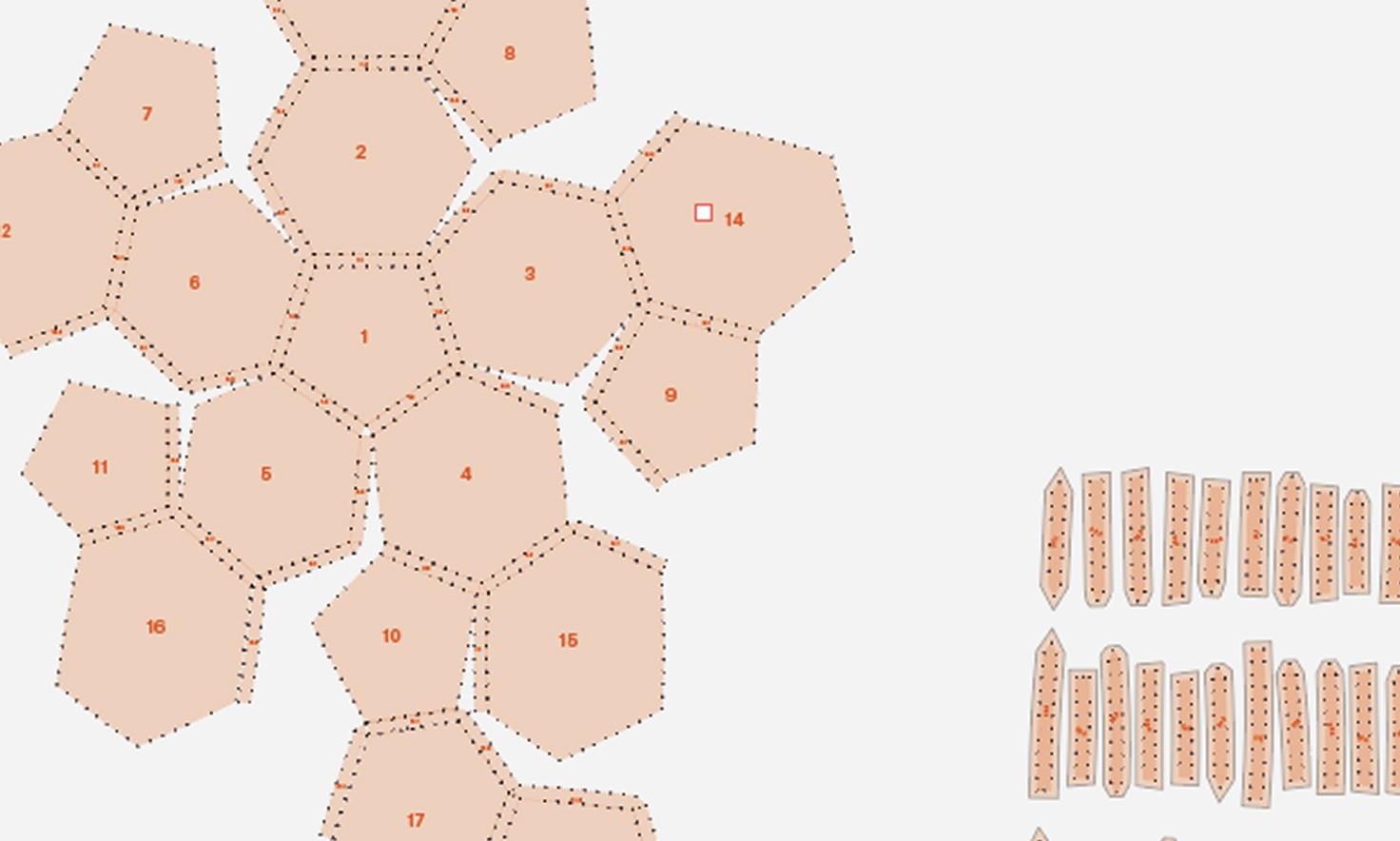
Each design starts with sketches and a 3D model in Blender to define the geometry. The faces are flattened, exported, and prepared in Illustrator for laser cutting. The leather panels are then sewed together by hand until the ball takes shape.
  • Card image
  • Card image
  • Card image
  • Card image
  • Card image
Reflection

I sometimes wondered whether this project really belongs in an interaction design portfolio. In the end, it stayed because it has been a side project that has accompanied me for more than three years and reflects how I enjoy exploring ideas through making. Along the way it led me to learn more about geometry, improve my 3D modelling skills, and experiment with paper and laser cutting as a quick way of prototyping patterns. Once I started, I began seeing ball patterns everywhere. Beyond the process itself, I simply enjoy the objects, they have a quiet aesthetic quality that makes them satisfying to design and build.

©2026 Pius Burkhart